15 Employee Engagement Tools Your Workplace Needs in 2026

TL;DR: Old-school management is outdated. These 15 engagement tools help you listen better, respond faster, and create a culture where people want to show up. Find the right fit for your team.
On an honest note, these days work doesn’t look the way it used to. The old-school, top-down style of management? Totally outdated. Today, your team is probably more spread out, more diverse, and more vocal than ever. And when people feel disconnected or like their voice doesn’t matter, you feel it: motivation drops, turnover creeps up, and everything slows down.
Here employee engagement tools step in not as “just another tool,” but as game-changers that help you tune into what your team actually needs. These platforms are built to help you listen better, respond faster, and create a culture where people actually want to show up and do great work.
We’ve rounded up 15 of the best employee engagement tools that are making a real difference in 2026. Whether you’re managing a remote team, dealing with burnout, or just trying to boost team spirit, these tools meet your team where they are and help them thrive.
What Makes These Tools Stand Out?
When picking tools, we didn’t just go by what’s trending we looked for what actually works for real teams like yours. Here’s what we prioritized:
- Can your team share feedback easily and actually get a response?
- Is it simple enough for everyone to use not just HR?
- Can it flex with your team’s vibe, goals, and size?
- Does it give you real insights, not just random stats?
- Will it play nice with your existing tools?
- Is it cost-effective and future-proof?
- And most importantly what do real users say about it?
For each tool, you’ll find a quick breakdown: what it does, who it’s best for, what’s awesome about it, and what to watch out for.
1. Pulsewise
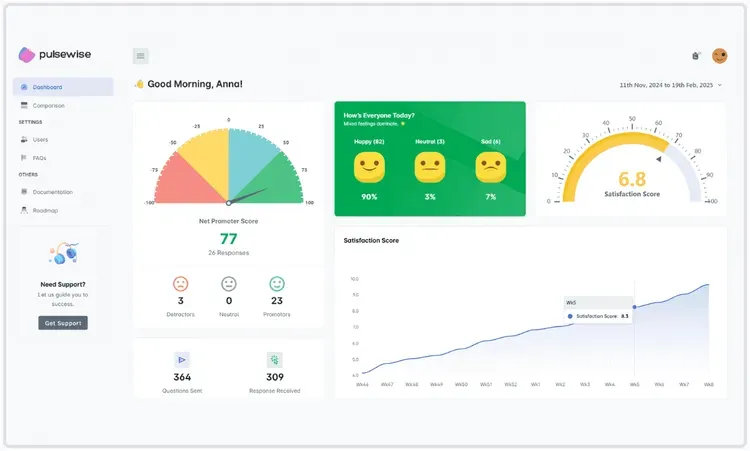
Ever wished you could just get a gut-check on how your team is really feeling? That’s exactly what Pulsewise delivers. This tool gives you a real-time pulse (literally) on team morale no waiting for quarterly surveys. For a full picture of how listening, goals, and reviews fit together, see how Pulsewise works.
Why You’ll Love It
- Single click setup with great user experience
- Daily mood check-ins that take seconds
- Simple dashboards that show how your team’s feeling over time
- Anonymous feedback so people can be real
- Clean, easy-to-use interface
- Smart AI that flags issues before they blow up
Best for
Startups, small to mid-sized teams, or any company that wants quick, lightweight insights into team well-being.
What’s Great
- Super easy to roll out and use daily
- You get instant feedback no guesswork
- Helps build trust through honest, anonymous input
- It’s free forever
What to Keep in Mind
- Kudos and recognition launched and included in the free plan
- 1-on-1 board is coming soon
- Employer Branding is coming soon
2. Culture Amp
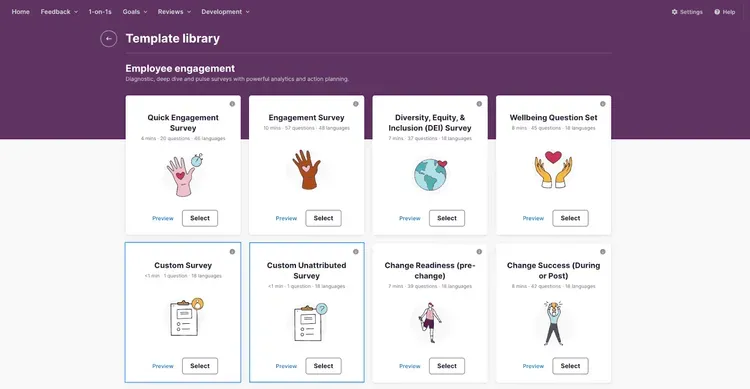
If you want a tool that’s all-in on engagement and performance, Culture Amp is your go-to. It’s not just built on tech it’s rooted in behavioral science, with a sharp focus on DEI and employee development.
Why It Stands Out
- Deep-dive, science-backed engagement surveys
- Built-in performance review tools
- Advanced analytics for smarter decision-making
- DEI features that go beyond checkboxes
- Integrates with most major HR platforms
Mid to large companies that want a data-driven approach to engagement and diversity initiatives.
- Covers the full employee experience
- Emphasizes inclusivity and growth
- Beautiful interface with tons of customizable features
Heads-Up
- On the pricier side for small businesses
- Might take a little time to learn the ropes
3. Bonusly
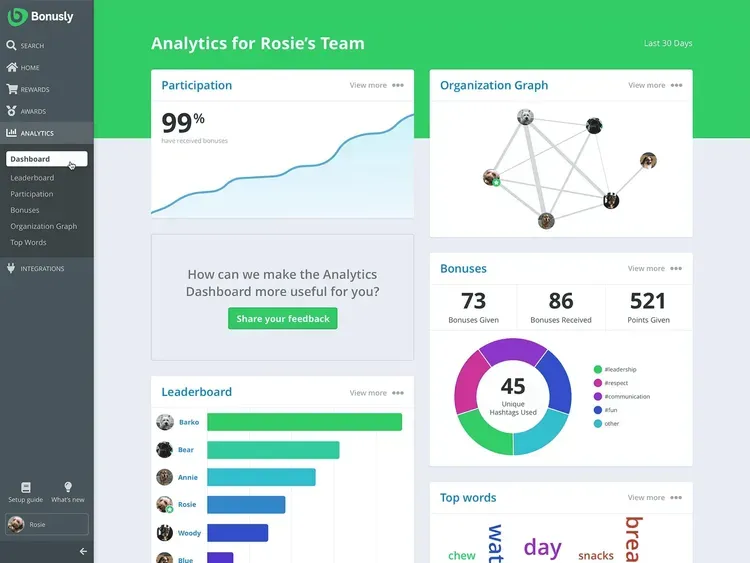
Want to make recognition part of everyday culture not just a once-a-year thing? Bonusly lets your team give each other kudos in real time. It’s fun, easy, and powerful for morale.
Here’s Why It Clicks
- Public, peer-to-peer recognition
- Points-based rewards your team can redeem
- Integrates with Slack, Teams, and more
- Tracks engagement across departments
Remote or hybrid teams that want to keep the culture strong even across time zones.
- Boosts day-to-day appreciation
- Helps teams stay connected and celebrated
- Tons of reward options to keep it exciting
What to Watch Out for
- Costs can rise as your team grows
- Recognition can feel hollow if not used meaningfully
4. 15Five
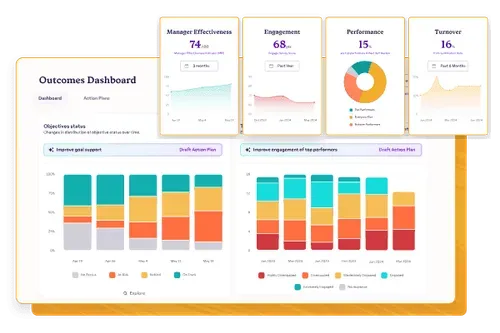
15Five is all about making feedback a regular, meaningful part of your team’s routine. This tool makes it so easy to gather feedback, set goals, and provide recognition all in one place. It helps teams check in regularly, so you can spot issues early and celebrate wins in real-time.
Why People Love It
- Weekly check-ins that are quick but get to the heart of what’s working (or not).
- Coaching tools that help managers become better leaders, not just bosses.
- Continuous feedback instead of waiting for annual performance reviews.
- Tracks goals in a way that aligns individual success with team success.
Teams that are committed to growing and improving continuously. If you want to make feedback part of the fabric of your culture, this tool is for you.
What’s Awesome About It
- Helps keep feedback casual and ongoing, not just a once-a-year thing.
- Supports managers with tools to guide their team more effectively.
- Easy to use and doesn’t overwhelm with too many features.
Things to Think About
- It may not work as well for teams that prefer a more informal approach to feedback.
- You’ll need to make sure managers are on board to make it effective.
5. WorkTango
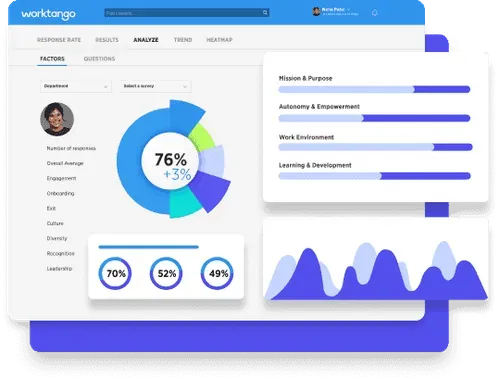
If you’re looking for a way to truly understand your team’s mood not just their satisfaction, but how motivated and engaged they really are WorkTango might be just what you need. It’s like having a mood tracker for your entire team, letting you see exactly how they feel in real-time. And the best part? You can act on that feedback immediately.
Here’s why you’ll love it
- It’s not just about gathering feedback, it’s about taking action. WorkTango helps you understand why your team feels the way they do so you can do something about it.
- You get real-time feedback, meaning you can address issues as they happen not months down the line.
- Track employee engagement over time, so you don’t get blindsided by sudden changes.
Who’s it great for?
If you want to stay ahead of potential issues and keep your team engaged, this tool is perfect for you.
What’s cool about it
- You’re constantly getting fresh insights. No waiting around for quarterly reviews.
- The tool is super easy to use, and the feedback process doesn’t overwhelm your team.
- You get to understand the why behind the feelings, so you can make improvements that matter.
A few things to keep in mind
- If you’re looking for performance management tools in addition to engagement, WorkTango might not have everything you need.
- It’s focused more on feedback and less on tracking individual performance.
6. Workleap Officevibe
Workleap Officevibe (formerly Officevibe, rebranded under the Workleap umbrella in 2024) is built for managers who want a simple way to run pulse surveys and collect anonymous feedback without turning it into a second job. You get regular temperature checks on morale, plus channels for honest input so people can speak up before small issues turn into big ones.
Why you’ll like it
- Short, manager-friendly pulse surveys you can run on a rhythm that fits your team
- Anonymous feedback so people feel safe being direct
- Dashboards that translate responses into themes you can actually discuss in 1-on-1s
- Workflows that nudge managers to follow up instead of letting feedback sit
Best for
Teams that want lightweight listening layered on top of everyday management, especially if your leads are the ones who need to own the conversation.
What’s great
- Keeps the bar low for employees: answer in minutes, not hours
- Puts useful context in front of managers without drowning them in spreadsheets
- Fits naturally into a culture where you want steady signals, not one big annual dump
What to watch out for
- Deeper people analytics or heavy performance cycles may need another tool in the stack
- Like any survey product, value depends on managers actually closing the loop when themes show up
7. Leapsome
Leapsome bundles reviews, engagement surveys, goals, and learning in one people enablement platform. If you are tired of juggling separate systems for “how we feel” and “how we grow,” this kind of setup can give HR and managers a single place to run the people rhythm.
Here’s why it clicks
- Performance reviews and feedback cycles alongside engagement surveys
- Goals and OKR-style alignment so development ties back to outcomes
- Learning paths you can connect to skills and growth conversations
- Automation that reduces admin for HR and team leads
Who’s it great for?
Mid-sized and growing companies that want one vendor to cover reviews, listening, and development without building a custom stack from scratch.
What’s cool about it
- Fewer logins and handoffs between “survey tool” and “review tool”
- Strong fit when you want consistency across how feedback, goals, and learning show up
- Scales as you add structure without forcing you to rip everything out each year
Things to keep in mind
- Full adoption takes change management; managers need to use it, not just HR
- Pricing and packaging can climb as you turn on more modules
8. Lattice
Lattice is best known for performance management, but it also weaves in engagement and goals so you are not treating “how people perform” and “how people feel” as totally separate stories. That matters when you want reviews and pulses to reinforce each other instead of contradicting each other.
Why people notice it
- Performance reviews, goals, and engagement feedback in a connected workflow
- Manager tools that support ongoing conversations, not just year-end paperwork
- Reporting that helps leaders see patterns across teams and levels
- Integrations with common HRIS and collaboration tools
Best for
Companies that already take performance cycles seriously and want engagement data sitting next to goals and review history.
What’s awesome about it
- Makes it easier to spot who might be thriving on paper but struggling in practice
- Helps HR tell a single narrative to executives instead of exporting three different decks
- Familiar structure for teams that outgrew spreadsheets but do not want enterprise bloat
Things to think about
- You will invest time configuring cycles and permissions the right way up front
- Smaller teams may find the full suite more than they need at first
9. Peakon (by Workday)
Peakon focuses on continuous listening: frequent surveys, benchmarks, and AI-assisted insight so you can see movement in engagement over time, not just a snapshot. If you live in the Workday ecosystem, the positioning is about tying listening closer to how you already run people data.
Why it stands out
- Continuous listening models instead of one-and-done annual surveys
- AI-powered themes and drivers that help you prioritize what to fix first
- Benchmarking so you can compare to relevant peer groups where available
- Strong enterprise story for global, complex organizations
Who’s it great for?
Large and global employers that want rigorous listening programs, heavy analytics, and tight alignment with broader HR tech roadmaps.
What’s great
- Depth for organizations that need audit-friendly, repeatable listening
- Helps leadership see whether initiatives are moving the needle, not just activity metrics
- Fits when you already expect Workday-grade procurement and security conversations
Heads-up
- Typically enterprise pricing and implementation effort
- You need internal capacity to act on insights, or dashboards become shelf-ware
10. Motivosity
Motivosity centers peer-to-peer recognition and gratitude: quick shout-outs, social visibility, and rewards that feel human. When your culture goal is “people actually see each other’s wins,” a dedicated recognition layer can beat a buried field in your HRIS.
Here’s why it works
- Peer recognition feeds that show appreciation in the flow of work
- Points or perks teammates can give and receive, depending on your program design
- Manager and peer participation features that reinforce everyday habits
- Integrations with tools like Slack so recognition happens where people already are
Best for
Teams that have the basics down and want to crank up appreciation, connection, and positive visibility across departments.
What’s cool about it
- Makes saying thanks fast, which is the whole point if you want frequency
- Helps remote and hybrid groups feel less invisible between big meetings
- Gives HR a lever for values-based behavior, not just output metrics
What to watch out for
- Programs stall if leaders do not model recognition or if points feel gimmicky
- You still need fair guardrails so popularity contests do not replace good management
11. Kudos
Kudos is a social recognition and rewards platform built to scale: public praise, culture-aligned values tagging, and redemption options that keep long-term engagement interesting. Think of it as the town square for “who did something worth amplifying this week.”
Why you’ll love it
- Social feeds and profiles that make recognition visible, not trapped in email
- Values-based recognition so shout-outs reinforce what you say you care about
- Rewards catalog options for teams that want tangible perks alongside praise
- Reporting on participation and culture themes for HR and executives
Who’s it great for?
Mid-market and larger organizations that need a mature recognition program with real breadth, not a single Slack channel and good intentions.
What’s great
- Helps distributed teams build a shared sense of who is contributing and how
- Gives people managers a simple habit: recognize, tag, move on
- Scales better than ad hoc programs once you pass a few dozen employees
What to keep in mind
- Needs clear guidelines so recognition stays fair across roles and locations
- Ongoing budget and policy decisions for rewards require ownership, not set-and-forget
12. TINYpulse
Now operating as TINYpulse by WebMD Health Services (after stints as Limeade Listening following its 2021 acquisition), TINYpulse keeps things intentionally light: quick weekly or recurring pulse checks so you get a steady heartbeat without survey fatigue. If your team groans at anything longer than a few questions, this category of tool respects that reality.
Why it fits
- Short pulses designed to maximize response rates
- Simple trending so you see direction, not just today’s number
- Employee suggestions and feedback loops in a compact format
- Lightweight enough for teams that are new to structured listening
Best for
Small and mid-sized teams, or any org that wants fast feedback loops without standing up a full research program on day one.
What’s awesome about it
- Low friction for employees, which is half the battle for honest data
- Great when you want a rhythm of check-ins instead of annual surprises
- Easy story for managers: “One minute, every week, tell us how it is going.”
Things to think about
- You may outgrow it if you need deep segmentation, advanced analytics, or heavy integrations
- Still requires follow-up; pulses alone do not fix culture
13. Quantum Workplace
Quantum Workplace pairs engagement surveys with action planning so you are not left staring at a score and wondering what to do Monday morning. The pitch is simple: measure engagement, then guide teams through practical next steps.
Here’s why it clicks
- Engagement surveys with benchmarks and role-based reporting
- Action planning features that help managers own improvement plans
- Tools that support communication back to employees about what you heard and what is changing
- Extras like recognition and goals depending on how you configure the platform
Best for
HR teams that want a structured path from “we ran a survey” to “we are doing something about it” with manager accountability baked in.
What’s cool about it
- Bridges the gap between insights and execution, which is where many programs die
- Helps you avoid the trap of beautiful dashboards with zero behavior change
- Strong when leadership wants a repeatable annual or quarterly engagement rhythm
What to watch out for
- Full value needs managers who will commit to plans, not just read summaries
- Feature breadth means you should scope what you need so implementation stays focused
14. Achievers
Achievers targets enterprise-grade recognition and rewards: programs that span countries, compliance needs, and large populations without falling apart. If you need a platform that can handle complexity and still feel simple for the front line, this is that lane.
Why it stands out
- Global recognition and rewards programs with enterprise controls
- Alignment to company values and campaigns HR can steer over time
- Mobile-friendly experience so deskless and distributed workers can participate
- Analytics on participation, redemption, and program health
Who’s it great for?
Large organizations that need a serious recognition operating system, not a side experiment run out of a spreadsheet.
What’s great
- Built for scale: multi-country, multi-language, heavy policy requirements
- Helps standardize how recognition works instead of every site inventing its own rules
- Executive-friendly reporting when you need to prove adoption and impact
Heads-up
- Enterprise platforms mean longer implementation and more stakeholders in the room
- Program design still matters; software cannot fix a toxic culture by itself
15. Vantage Circle
Vantage Circle positions itself as an AI-powered employee engagement suite, pulling together recognition, perks, feedback, and wellness-style benefits in one umbrella. If your buying committee wants “one engagement hub” with modern automation, this is worth a look.
Why you’ll like it
- AI-assisted features for surfacing themes and personalizing engagement touches
- Recognition and rewards alongside perks and corporate offers
- Surveys and feedback channels bundled with the broader employee experience story
- Appeals to teams that want fewer point solutions on the benefits and culture side
Best for
Mid-sized to larger companies exploring an integrated engagement and perks stack with a tech-forward pitch.
What’s great
- Can simplify vendor sprawl if you were about to buy recognition, perks, and pulses separately
- AI framing can speed up how leaders scan feedback and spot hotspots
- Useful when HR wants one dashboard narrative for the C-suite
What to watch out for
- Bundles only save time if you will actually use most of the pieces
- Evaluate AI claims the same way you would any vendor: ask for proof, privacy, and control
Final Thoughts
You do not need all fifteen tools on this list. Pick one or two problems you are actually trying to solve (listening, recognition, performance rhythm), then choose platforms your managers will use every week. If you want lightweight pulses and honest feedback without a heavy rollout, Pulsewise is built for that lane. For richer feedback analysis across comments and themes, pairing listening tools with something like Pulsewise’s forensic feedback can help you turn noise into next steps. Try a short pilot, commit to acting on what you learn, and adjust before you scale spend.
FAQs
What is the best employee engagement tool?
The best tool depends on your team size and needs. For quick pulse surveys and daily mood tracking, Pulsewise is ideal. For enterprise-scale recognition, Achievers and Kudos are strong options. Start with what your team will actually use consistently.
How much do employee engagement tools cost?
Pricing varies widely. Some tools like Pulsewise offer free forever plans. Others like Culture Amp and Lattice charge per employee per month, typically ranging from $4 to $12. Enterprise platforms like Peakon and Qualtrics require custom quotes.
Do engagement tools actually improve retention?
Yes, when used consistently. Gallup research across 100,000+ teams shows that top-quartile engagement reduces turnover by 21% in high-turnover organizations and up to 51% in low-turnover ones. The key is acting on the data, not just collecting it. Tools that surface insights and prompt manager action deliver the strongest retention impact.
Can small teams benefit from engagement tools?
Absolutely. Small teams often see the fastest results because feedback loops are shorter and changes are easier to implement. Lightweight tools like Pulsewise and TINYpulse are designed for teams that want quick insights without heavy setup.