Culture Amp Alternatives for Smaller People Teams (2026)
Here’s a conversation I’ve had more than once. A People lead at a 150-person company tells me they bought Culture Amp because everyone said it was the gold standard. A year later, they’re running one big survey, staring at a beautiful dashboard, and still paying for a separate tool for recognition and another for 1:1s.
Nothing is wrong with Culture Amp. It’s a serious platform with deep survey science behind it. But it was built with larger organizations in mind, and smaller teams often feel that in two places first: the price conversation and the setup effort.
So if you’re searching for Culture Amp alternatives, you’re probably not asking “what’s better?” You’re asking “what fits a team our size, at a price that makes sense, without a three-month rollout?” That’s the question this guide answers.
TL;DR
Culture Amp doesn’t publish prices. Vendr data puts the median buyer at about $23,270 a year, which is a lot for a team of 100 to 300. For teams under 500, the biggest deciders are price transparency, setup time, and whether one tool can replace three or four. Lattice and 15Five publish per-seat pricing, but modules add up fast. Leapsome is powerful and quote-based. Workleap Officevibe and Bonusly are simpler, focused picks: engagement and recognition respectively. Pulsewise is the lean, all-in-one option: surveys, feedback, kudos, goals, and reviews in one place, with a free-forever plan for up to 100 users (first 100 teams).
Why smaller teams look for Culture Amp alternatives
Most teams leave (or never sign) because of fit, not quality. Culture Amp is strong on engagement surveys and benchmarking, and its G2 reviewers say so again and again.
The friction shows up elsewhere. In our breakdown of Culture Amp reviews, the same themes kept surfacing: an insight-to-action gap between survey cycles, goals that feel rigid, and a performance module some users call clunky.
For a lean People team, those gaps matter more. You don’t have an analyst to turn survey results into manager actions. You need the tool to do some of that work for you.
Then there’s the org chart reality. If you’re one or two people running People Ops for 200 employees, you want something you can launch this week, not a project plan.
What does Culture Amp actually cost?
Culture Amp pricing is quote-based. Its pricing page says cost depends on employee count, the products you choose, and your service tier, and every plan is billed annually.
Plans are grouped by size: small and medium (under 200 employees), mid-market (200 to 999), and enterprise (1,000+). The core products are Engage for surveys and Perform for performance, with AI Coach included.
For real numbers, buyer data helps. According to Vendr, the median Culture Amp buyer pays about $23,270 per year, based on 513 purchases, with contracts ranging from roughly $8,216 to $59,100.
Vendr also notes typical terms of one to three years, with 3 to 7% price increases at renewal. That’s worth knowing before you sign, because the year-two number matters too.
If you want the wider picture, our employee engagement software pricing comparison lines up costs across the category.
Curious how the two stack up side by side? See the full Pulsewise vs Culture Amp comparison for a feature-by-feature view.
Quick comparison: Culture Amp alternatives at a glance
Here’s the short version. Prices come from each vendor’s public pricing page (checked September 2026), and ratings come from G2.
| Tool | Best for | Starting price | Setup style | G2 rating |
|---|---|---|---|---|
| Pulsewise | All-in-one for teams of 50 to 500 | Free forever up to 100 users (first 100 teams) | Self-serve, Slack or CSV import | Emerging platform |
| Lattice | Performance-led mid-market teams | Engagement from $4/seat/mo; $4,000 annual minimum | Sales-assisted | 4.6 (4,100+ reviews) |
| Leapsome | Teams wanting modular depth | Quote-based; 1-year minimum term | Sales-led, 14-day trial | 4.8 (2,500+ reviews) |
| 15Five | Check-ins and manager enablement | Engage from $4/user/mo | Sales-assisted | 4.6 (1,900+ reviews) |
| Workleap Officevibe | Simple engagement surveys | Standard from $4,999/year | Sales-assisted | 4.3 (1,000+ reviews) |
| Bonusly | Peer recognition and rewards | Free up to 8 users; $5/user/mo | Self-serve | 4.7 (7,300+ reviews) |
| Culture Amp | Survey science at scale | Quote-based; median ~$23,270/year (Vendr) | Sales-led, annual | 4.5 (1,600+ reviews) |
1. Pulsewise
Best for: hybrid and remote teams of 50 to 500 who want one platform instead of four.
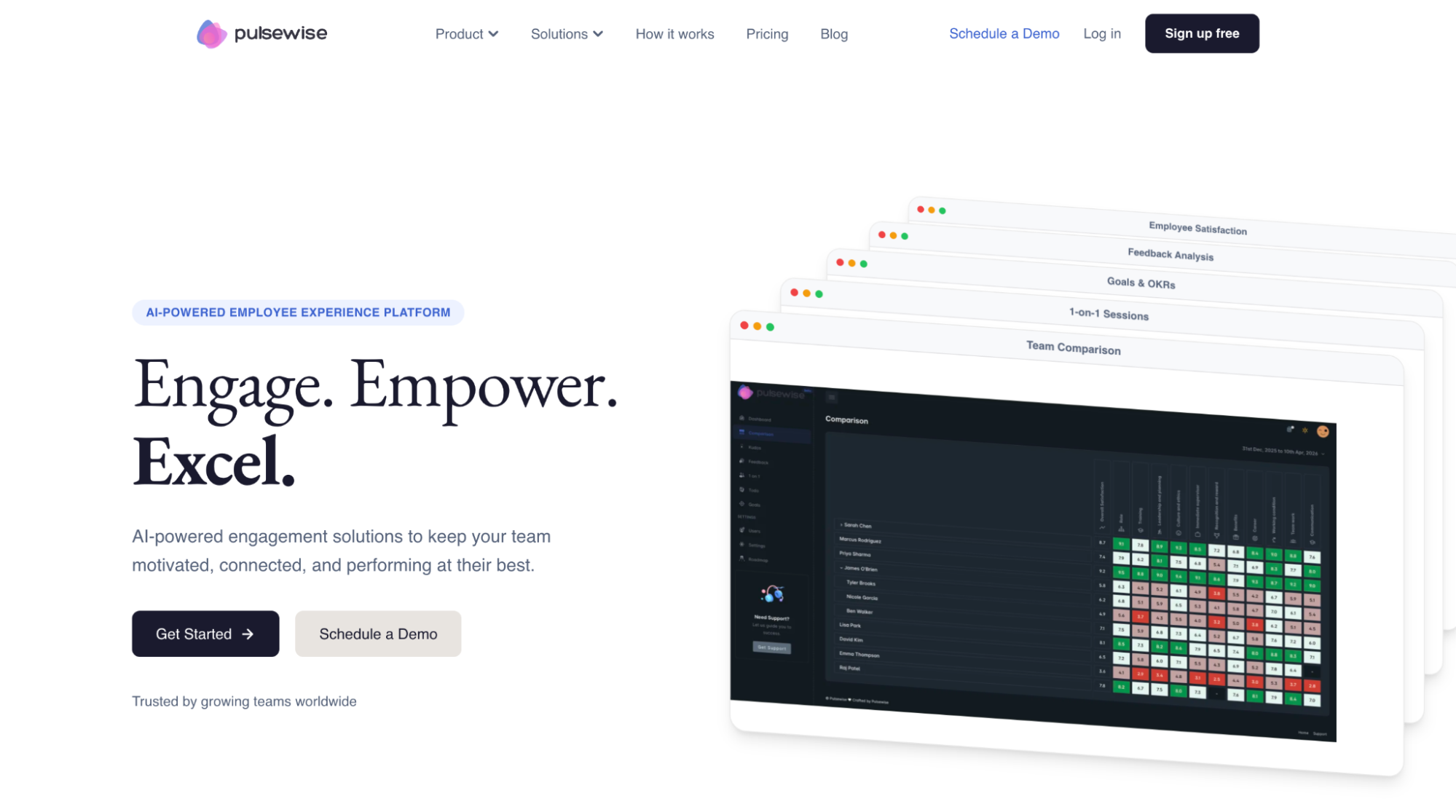
Full disclosure, this is our product, so weigh this section accordingly. We built Pulsewise for the exact team this article is about: a small People function trying to listen, recognize, align, and grow people without a stack of disconnected tools.
Pulsewise brings pulse surveys, feedback, kudos and recognition, goals, and performance reviews into one AI-first platform. Everything feeds a single intelligence layer, so a dip in pulse scores and a quiet recognition streak show up in the same place.
Pricing and setup
The Free Forever plan covers up to 100 users at $0, with no credit card required. It’s open to the first 100 teams, and accounts that claim it stay free even if pricing changes later.
Setup is self-serve. You import your team through Slack or a CSV, and our how it works page walks you through getting started in under 60 seconds.
What stands out
-
AI feedback analysis that maps comments across sentiment and 12+ dimensions, so you see themes without reading every response.
-
1:1 intelligence with suggested talking points, which helps managers act between review cycles.
-
Recognition, goals, and reviews live next to survey data, so there’s no CSV handoff between tools.
Where it’s still growing
Pulsewise is newer than the other tools here, so you won’t find thousands of G2 reviews yet. AI compensation planning, advanced people analytics, and SSO/SAML are on the public roadmap rather than live today.
2. Lattice
Best for: mid-market teams where performance management is the priority.
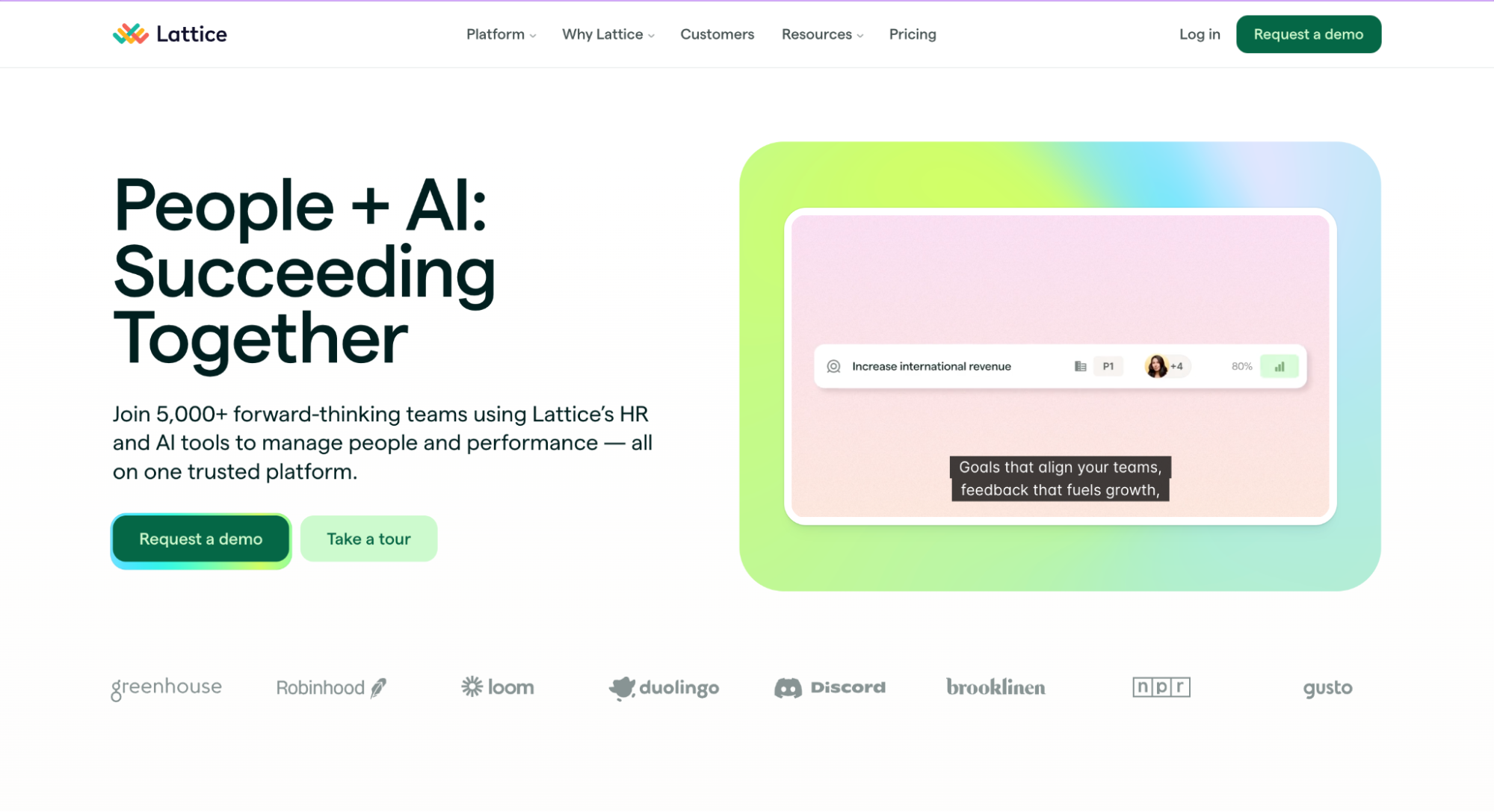
Lattice is the name that comes up most in Culture Amp comparisons. It started with performance and goals, then added engagement, so its review workflows are mature.
Pricing and setup
Lattice pricing is public and modular: Engagement at $4 per seat per month, Goals & OKRs at $8, Performance at $10, and Foundations at $13. Compensation (+$6) and Grow (+$4) are add-ons.
There’s a $4,000 minimum annual agreement, and billing is annual only. For a 50-person team, that minimum can outweigh the per-seat math.
What G2 reviewers say
Lattice holds a 4.6 on G2 across 4,100+ reviews. The recurring complaints are a steep learning curve and limited customization in places.
3. Leapsome
Best for: teams that want a deep, modular platform and have time to configure it.
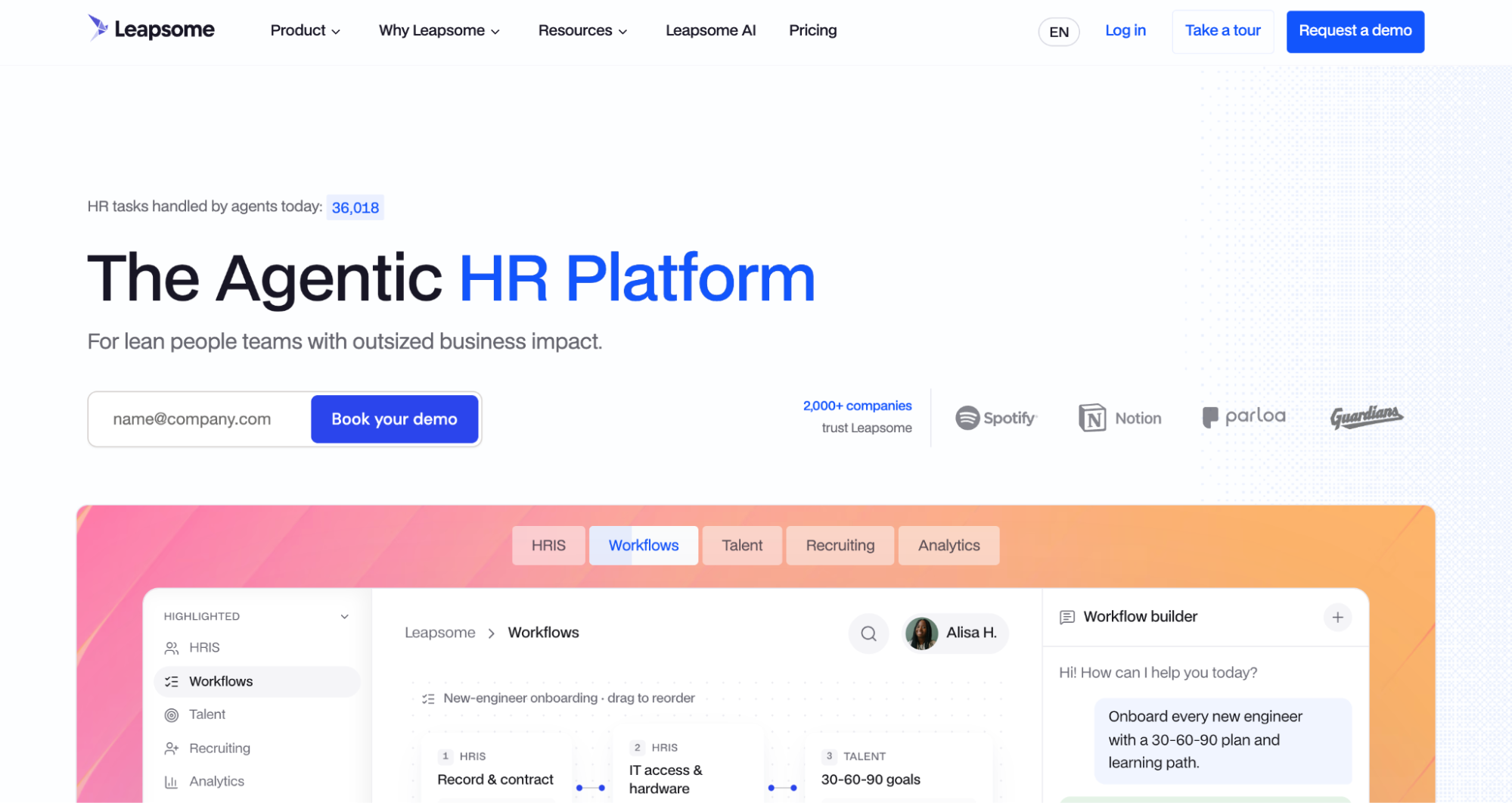
Leapsome covers a lot of ground: reviews, surveys, goals and OKRs, learning, compensation, and even HRIS. It’s popular with European companies, which makes it a natural shortlist pick for EMEA teams.
Pricing and setup
Leapsome pricing is quote-based. You buy modules individually or bundled, with multi-module and volume discounts, a one-year minimum term, and a 14-day free trial.
What G2 reviewers say
Leapsome scores a 4.8 on G2 from 2,500+ reviews, the highest in this list. The trade-off users mention most is a learning curve, since there are many features and workflows to master.
4. 15Five
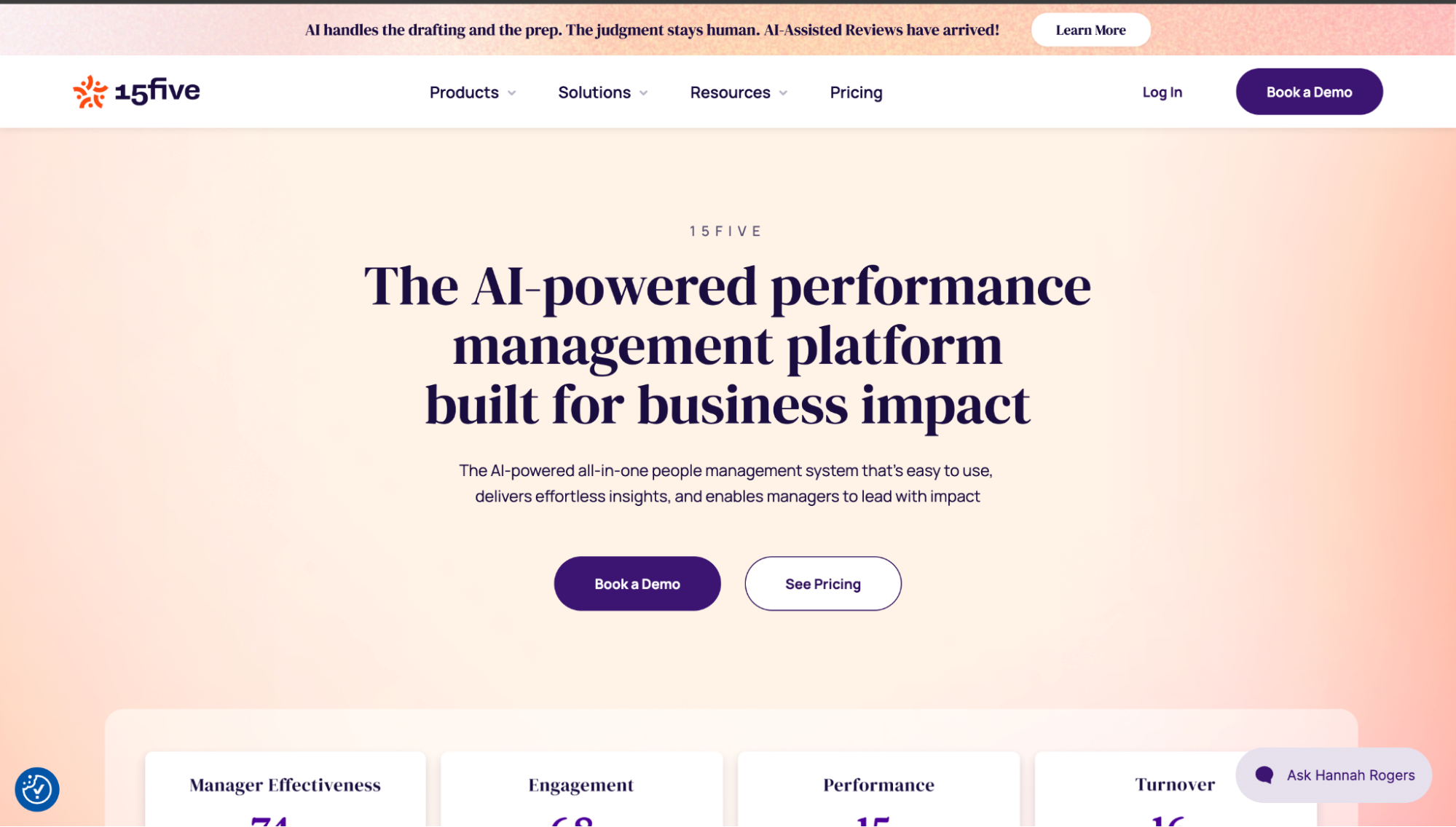
Best for: teams that care most about weekly check-ins and manager coaching.
15Five is built around the manager-employee relationship. Weekly check-ins, 1:1s, and manager training are where it shines, with engagement surveys layered on top.
Pricing and setup
15Five pricing lists Engage at $4 per user per month, Perform at $11, and Total Platform at $16, all billed annually. Manager content, coaching credits, and compensation are paid add-ons.
What G2 reviewers say
It holds a 4.6 on G2 from 1,900+ reviews. Users flag limited customization and a feature-heavy first experience. We dig into more options in our 15Five alternatives guide.
Tired of paying for check-ins in one tool and surveys in another? Start free with Pulsewise and run both from one dashboard, no credit card needed.
5. Workleap Officevibe
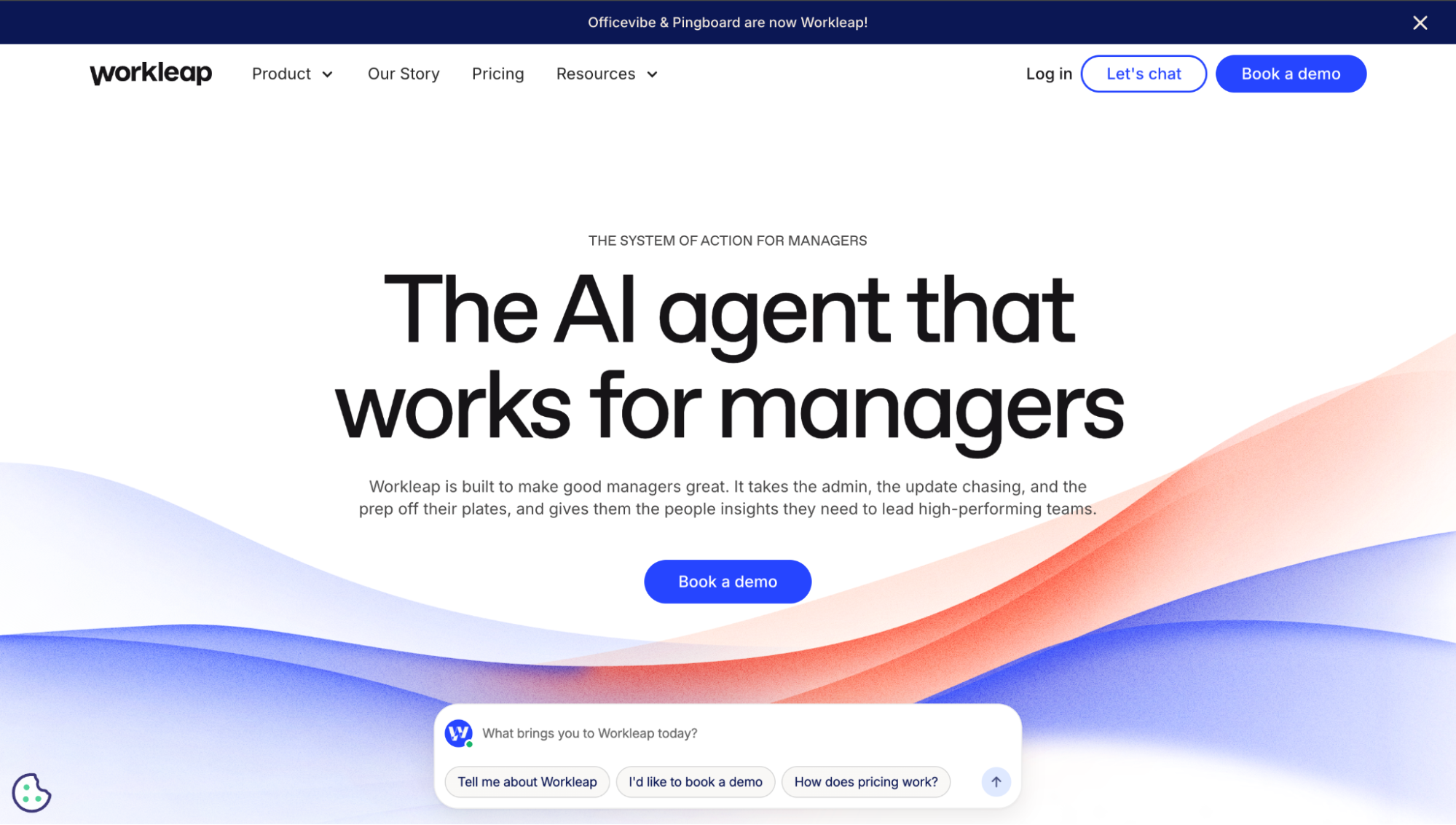
Best for: teams that want simple, friendly engagement surveys.
Officevibe (now part of Workleap) is often the first tool people compare against Culture Amp, which is why “Culture Amp vs Officevibe” gets searched so much. The appeal is simplicity: pulse surveys and anonymous feedback that employees actually answer.
Pricing and setup
Workleap pricing starts at $4,999 per year for Standard and $11,999 for Pro, billed annually. Enterprise is custom and aimed at 250+ employees.
What G2 reviewers say
Workleap sits at 4.3 on G2 across 1,000+ reviews. Reviewers praise ease of use but mention limited customization and slower support. See our Officevibe alternatives roundup for more.
6. Bonusly
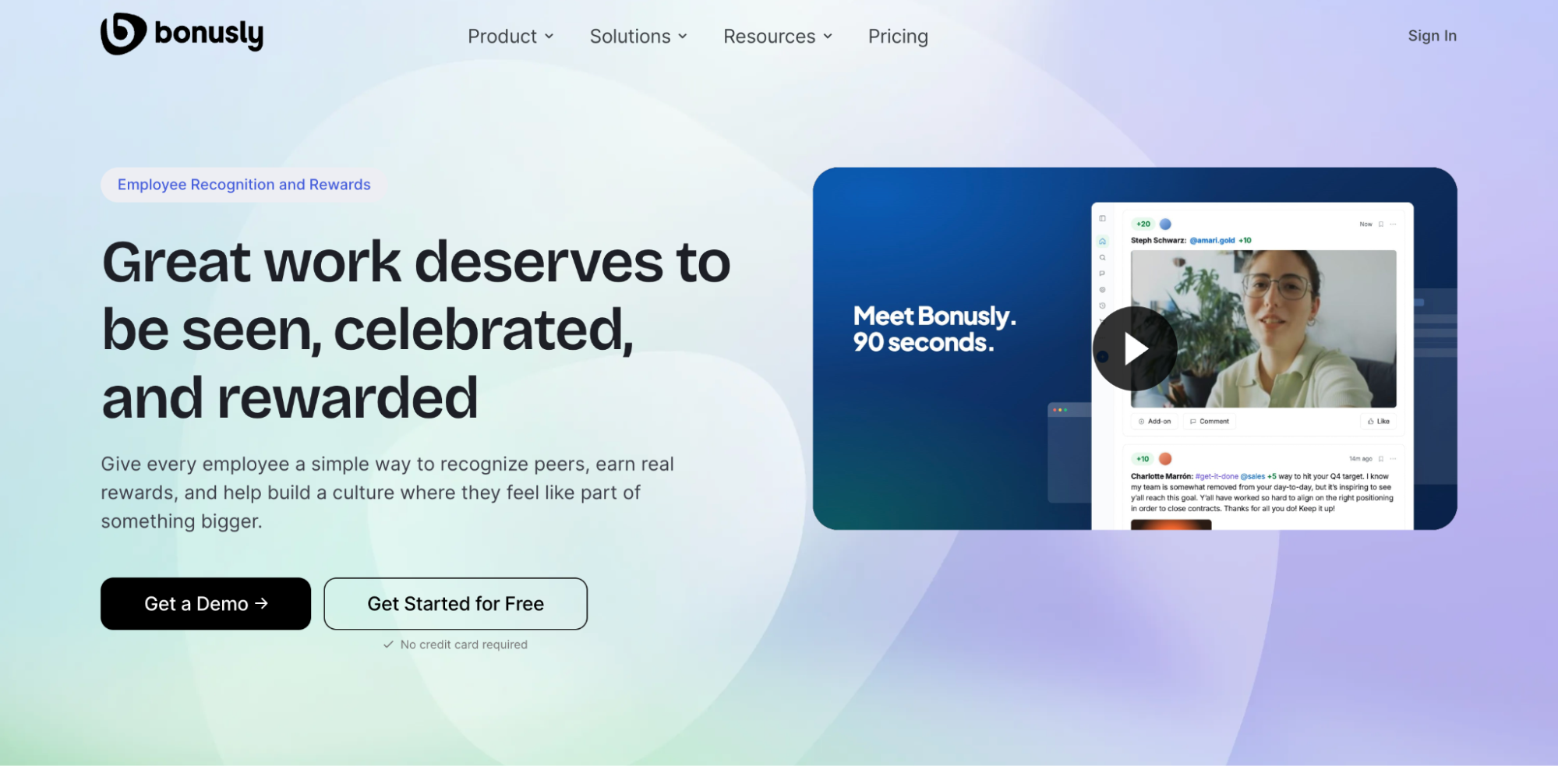
Best for: teams whose main gap is peer recognition, not surveys.
Bonusly isn’t a like-for-like Culture Amp replacement. It’s a recognition and rewards tool, and a very good one. We include it because many small teams find recognition is the missing piece once they drop an enterprise survey platform.
Pricing and setup
Bonusly pricing includes a free plan for up to 8 users. The Team plan with its Bizy AI runs $5 per user per month ($3 without it), and rewards are billed separately at face value.
What G2 reviewers say
Bonusly holds a 4.7 on G2 from 7,300+ reviews. The common gripes are monthly points that run out fast and limited redemption options in some regions.
How to choose the right Culture Amp alternative
Start with the job, not the feature list. Ask what you’d actually use every week, then work backwards to the tool.
-
Count your tools today. If you run surveys, recognition, and 1:1s in three places, an all-in-one platform saves money and context switching.
-
Do the real price math. Multiply per-seat prices by headcount, add modules, then check annual minimums and renewal uplifts.
-
Test setup yourself. A tool you can launch in a day beats one that needs an implementation project, especially with a team of one or two.
-
Check the action loop. Look for features that turn survey results into manager actions, like 1:1 talking points or nudges, not just dashboards.
-
Read reviews by theme. A 4.8 rating matters less than whether the complaints hit your priorities.
One more tip: track something simple, like eNPS, for a quarter before and after you switch. It tells you whether the new tool changed anything that matters.
And if you’re rebuilding your approach entirely, our employee engagement master guide is a good place to reset the basics.
The bottom line
Culture Amp earned its reputation. If you have a large workforce and a team to act on survey insights, it’s a strong choice.
But smaller People teams usually need something different. You need clear pricing, a setup you can finish yourself, and a tool that helps managers act between cycles, not just a better report.
So pick the tool that matches the team you have today. If that’s a lean team trying to replace four tools with one, Pulsewise was made for you.
Ready to see it for yourself? Claim your free Pulsewise account while spots last, or book a quick demo with our team.
FAQs
What is the best alternative to Culture Amp?
It depends on your size and priorities. Lattice suits performance-led mid-market teams, Leapsome suits teams wanting modular depth, and 15Five suits check-in cultures. For teams of 50 to 500 that want surveys, feedback, recognition, goals, and reviews in one affordable place, Pulsewise is built for that fit.
How much does Culture Amp cost?
Culture Amp doesn’t publish prices and quotes based on headcount, products, and service tier, billed annually. Vendr’s buyer data shows a median of about $23,270 per year across 513 purchases, with contracts ranging from roughly $8,216 to $59,100 depending on modules and term length.
Is Culture Amp good for small businesses?
It can work, and it offers a tier for organizations under 200 employees. Still, quote-based annual pricing and a survey-first design can feel heavy for lean People teams. Many small businesses prefer tools with transparent pricing, self-serve setup, and recognition or 1:1 features built in.
What is the difference between Culture Amp and Officevibe?
Culture Amp focuses on deep survey science, benchmarking, and performance through its Engage and Perform products, with quote-based pricing. Workleap Officevibe focuses on simple pulse surveys and feedback, with published annual plans starting at $4,999. Officevibe is usually lighter to run; Culture Amp is usually deeper on analytics.
Who are Culture Amp’s main competitors?
Culture Amp’s main competitors include Lattice, Leapsome, 15Five, Workleap Officevibe, Qualtrics EmployeeXM, and Microsoft Viva Glint. For smaller teams, newer all-in-one platforms like Pulsewise also compete by combining surveys, feedback, kudos, goals, and reviews at a lower cost with self-serve setup.
Is there a free alternative to Culture Amp?
Yes. Pulsewise offers a Free Forever plan for up to 100 users, available to the first 100 teams, with no credit card required. Bonusly also has a free plan for up to 8 users, though it focuses on recognition rather than engagement surveys.